
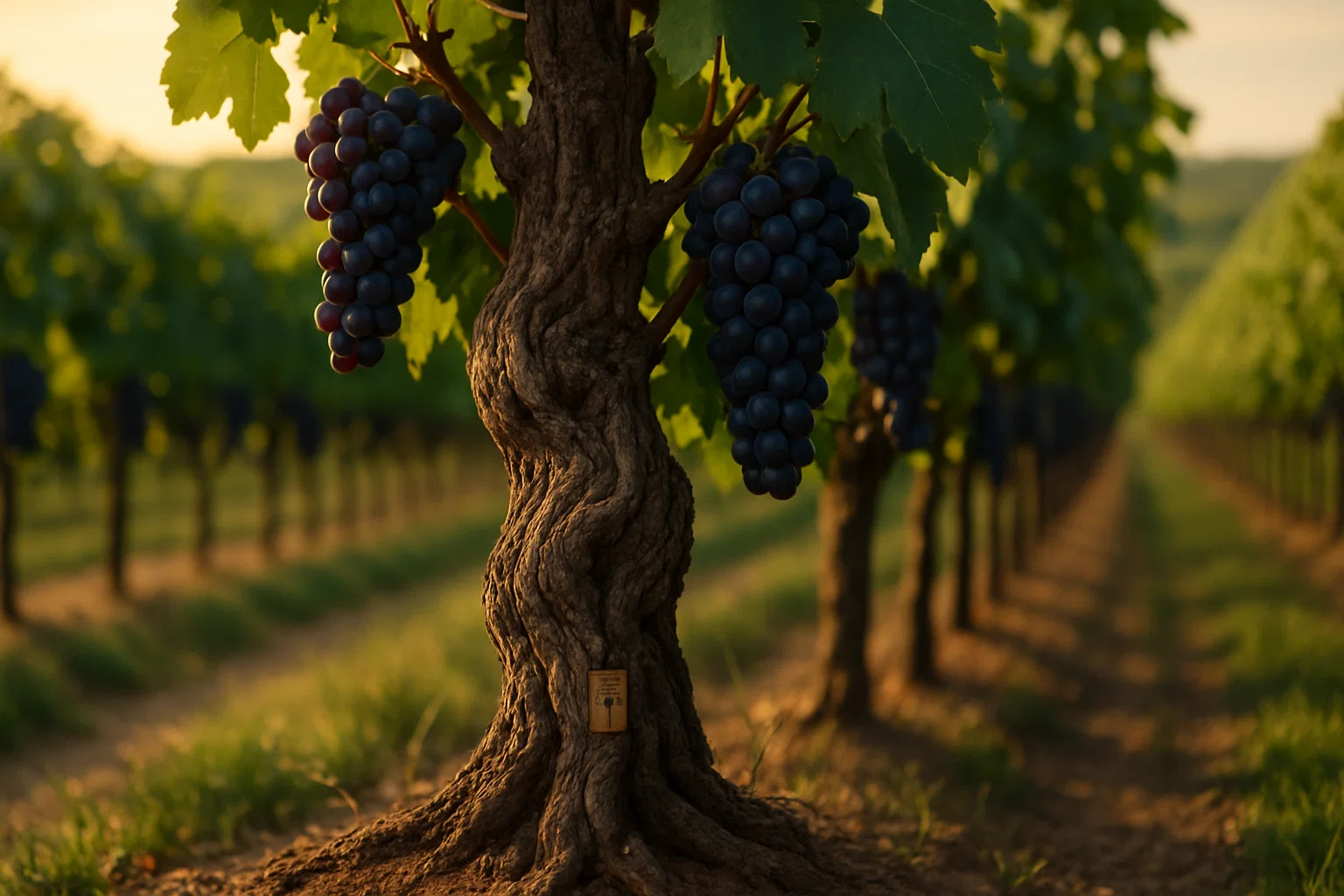
 When Jesus said, “I am the vine; you are the branches” (John 15:5), He wasn’t just painting a picture of plants and fruit. He was revealing a divine truth about the life that flows from Him into every believer a truth that defines what it means to belong, to grow, and to bear fruit through grace.
This passage, nestled in the heart of John 15, continues to shape how Christians understand their connection with Christ. It’s about dependence, pruning, growth, and the quiet miracle of spiritual fruitfulness that happens when we abide in Him.
The Setting: Jesus’ Final Night and a Lesson About Life
John 15 takes place on the night before Jesus’ crucifixion part of what scholars call the “Farewell Discourse” (John 13–17). Imagine the scene: the disciples are anxious, uncertain, and weary. Jesus has washed their feet, spoken of betrayal, and promised the coming of the Holy Spirit.
In this tender moment, He reaches for a symbol familiar to every Jew the vine. Israel had long been called “the vine of God” (Psalm 80:8; Isaiah 5:1-7). But where Israel often failed to bear fruit, Jesus declares Himself the true vine, the fulfillment of what Israel was meant to be: the source of life that never fails.
“I Am the True Vine”: What Jesus Meant
“I am the true vine, and my Father is the vinedresser.” John 15:1
Every vineyard has a caretaker someone who tends, prunes, and nurtures the vines so that they remain healthy and fruitful. In this parable, God the Father is that caretaker, the divine gardener who lovingly tends to every branch connected to His Son.
The phrase “true vine” distinguishes Jesus from every false source of spiritual life whether it’s religion without relationship, effort without grace, or belief without abiding. He alone sustains the soul.
When Jesus calls Himself the true vine, He’s saying that the life we crave joy, strength, purpose cannot be found in ourselves. It must flow from Him.
The Branches: You and Me
“You are the branches.” John 15:5
Branches don’t exist for themselves. They exist to bear fruit from the life of the vine. Jesus’ image is simple but profound: we are the branches, meant to draw our life from Him.
Without the vine, the branch is lifeless. Without Christ, we cannot bear true spiritual fruit. That’s why Jesus says plainly, “Apart from Me, you can do nothing.”
This isn’t meant to shame us it’s meant to set us free. When we stop trying to force fruit on our own and instead stay connected to Christ, the life of God naturally flows through us.
That fruit looks like love, patience, gentleness, humility, service the quiet virtues that reflect the Spirit at work in a surrendered life (Galatians 5:22-23).
Pruning and Growth: The Father’s Loving Care
“Every branch that does bear fruit He prunes, that it may bear more fruit.” John 15:2
Pruning sounds painful and it is. But in the vineyard, pruning is a sign of care, not punishment. It’s how the gardener removes what hinders growth so that the branch can thrive.
God’s pruning may look like seasons of loss, redirection, or conviction. Yet beneath it all, His hand is gentle. He cuts away not to harm but to heal to make space for more of His life in us.
If you’ve ever felt stripped down by circumstances or humbled by correction, remember this: pruning is proof that God hasn’t given up on you. It means He’s preparing you for greater fruitfulness.
Abiding in Christ: The Heart of the Passage
“Abide in Me, and I in you.” John 15:4
The word abide (Greek meno) means to remain, to dwell, to stay close. Jesus doesn’t ask us to perform but to stay connected. Abiding is not about constant activity; it’s about continual dependence.
It’s like the rhythm of breathing natural, quiet, unforced. We abide by prayer, by Scripture, by obedience, and by trust. When we stay in His presence, His words shape our hearts and our fruit grows naturally.
Abiding also means staying rooted when seasons change. The vine doesn’t disconnect in the cold or the drought. It waits. And so must we. Some of our richest fruit comes after the hardest winters.
The Warning: Disconnection Leads to Withering
“If anyone does not abide in Me, he is thrown away like a branch and withers.” John 15:6
Jesus’ warning is sober but not cruel. A branch disconnected from the vine cannot live not because God is harsh, but because life cannot exist apart from its source.
This isn’t about losing salvation through a single mistake; it’s about refusing to remain in relationship with the One who gives life. The tragedy of a withered branch is not that it’s cut off but that it chose disconnection.
In grace, Christ calls us back again and again: “Return. Abide. Live in Me.”
The Promise: Fruit That Glorifies the Father
“By this My Father is glorified, that you bear much fruit.” John 15:8
The goal of the Christian life isn’t personal success or comfort it’s fruitfulness that reflects God’s glory.
When we love others as Christ loved us, forgive as we’ve been forgiven, and serve as He served, we become living witnesses of divine grace. Our fruit tells the world who the gardener is.
And the promise is stunning: “Ask whatever you wish, and it will be done for you” (v. 7). This isn’t a blank check but an invitation to pray in harmony with His will to desire what He desires. When our hearts align with His, heaven moves through us.
The Relationship Between Vine and Branches
The connection between vine and branches is both intimate and interdependent.
- The vine provides life, nourishment, and strength.
- The branches display that life through fruit.
- The gardener (the Father) ensures everything grows as it should.
It’s a picture of divine partnership not equality, but unity. We are participants in God’s life, not spectators. The more deeply we abide, the more freely His grace flows through us.
How the Vine and Branches Apply to Our Lives Today
- Abide daily, not occasionally.
Faith is not a one-time confession but an ongoing connection. - Welcome pruning.
God’s correction means He sees potential in you. - Bear fruit through grace, not effort.
The vine produces the fruit the branch simply receives and displays it. - Stay in community.
Branches grow best together. Isolation leads to withering. - Let your fruit glorify God.
Every act of kindness or mercy becomes a testimony of His love.
Common Questions About the Vine and Branches
What does the parable of the vine and branches mean?
It’s about spiritual union that true life flows only through Christ, and those who abide in Him will naturally bear good fruit.
Is Ezekiel 25:17 a real Bible verse?
It’s often misquoted from popular culture; the dramatic version many know from movies doesn’t exist in the Bible. Ezekiel 25 speaks of judgment, but verse 17 is much shorter.
What does Matthew 16:24 really mean?
When Jesus said, “Take up your cross and follow Me,” He was inviting disciples into the same pattern of abiding surrendering self-will and drawing life from God’s will, just as a branch depends on the vine.
What This Teaches Us About Faith
The image of the vine and branches isn’t just a metaphor it’s a mirror. It shows us who we are and what we’re meant to become: people rooted in Christ, bearing fruit that blesses others and glorifies God.
You don’t have to strive to be worthy of the vine; you simply have to stay connected. Grace does the growing.
And as you abide, you’ll find what every branch discovers that the life of the vine never runs dry.

Dr. Hannah Grace Matthews is a Bible scholar with a Ph.D. in Theology from Cambridge. She explains Scripture with warmth and clarity, helping readers understand God’s grace and truth in everyday life.