
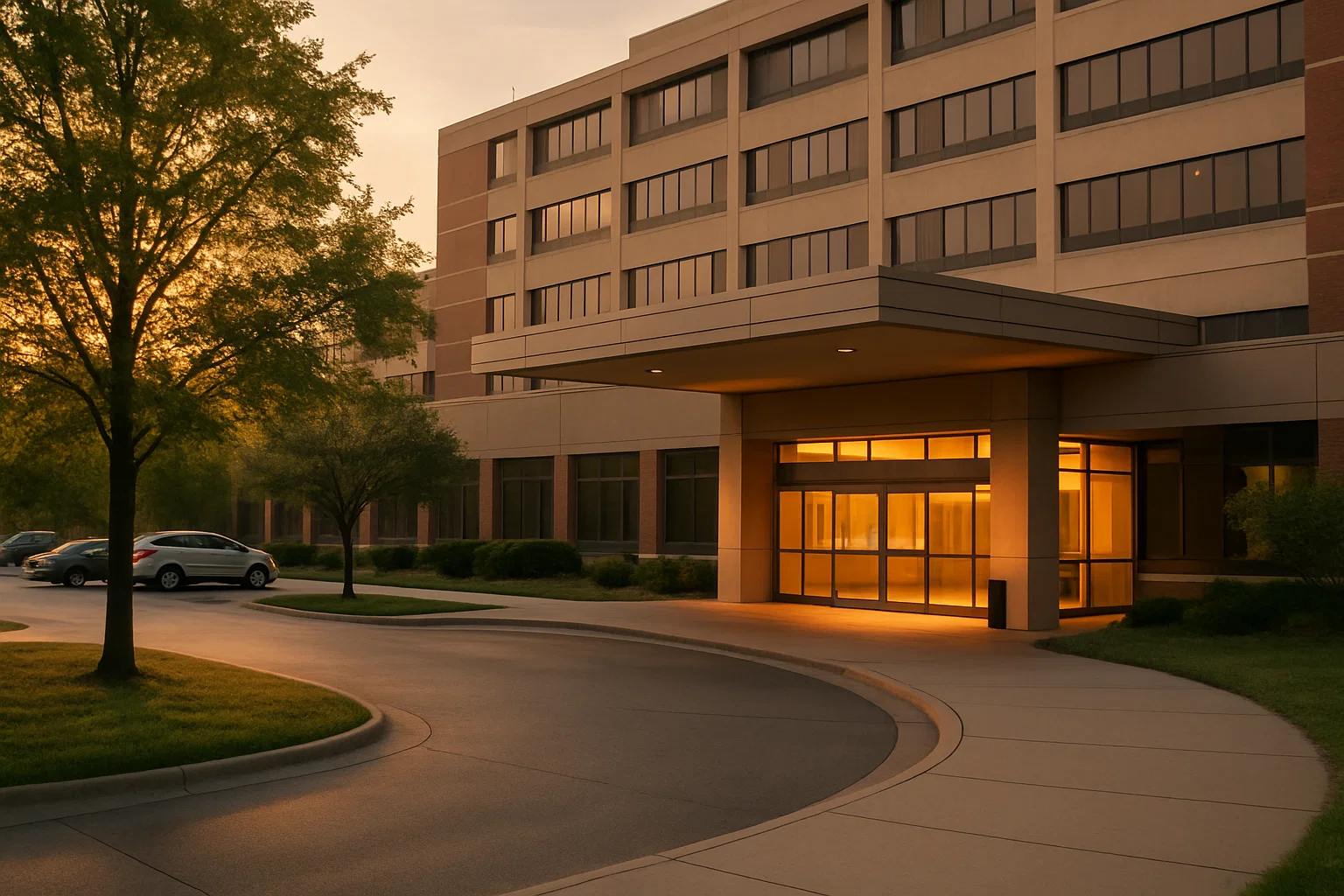
 Here’s where we take our time and walk through the story a place like CHI Bergan Mercy Omaha quietly tells. Hospitals rarely show up in our lives during the easy seasons, so people often carry mixed emotions when they think about them. Some remember relief. Others remember loss. Many remember the long, stretching hours in between. And tucked inside all of that sits a very human question: what kind of care meets me when I’m the one walking through the doors?
Let’s stay honest about that as we move forward.
A place that has held generations of stories
If you spend enough time in Omaha, you’ll hear bits and pieces about Bergan Mercy from all kinds of people new parents remembering the first time they held a child, families trying to understand a diagnosis, or someone who walked in scared and walked out steadier. A building can’t fix everything, but the people inside it shape how someone feels in the moments that matter most.
CHI Bergan Mercy Omaha tends to live in that space. Not loud. Not flashy. Just there when people need care, answers, or someone to treat them with a bit of dignity.
And some days, that’s the difference that stays with a person.
What it means when a hospital offers many kinds of care
Most folks don’t ask technical questions like “What services does CHI Bergan Mercy offer?” until they’re already facing something. The truth is simpler than the brochures: it’s a full-service hospital built to meet a wide range of needs. Surgeries. Heart care. Emergency care. Rehab. Quiet rooms where specialists take the time to explain what’s happening in the body and what might come next.
Here’s the thing specialties matter, but presence matters too. When Scripture talks about caring for others, it isn’t laced with efficiency. It leans into compassion. Paul’s reminder in Galatians about “bearing one another’s burdens” wasn’t written for medical staff, but there’s something in the way nurses, technicians, and doctors step into a stranger’s story that echoes that idea. They carry weight alongside people who didn’t plan on being there that day.
And that’s part of why hospitals like this end up woven into a city’s memory.
Trauma care and the quiet strength behind it
People sometimes ask what trauma level Bergan Mercy is, almost like they’re trying to understand whether the place is ready for the worst moments. It’s one of only a few in the region with advanced trauma capabilities. That means when everything falls apart a crash, a fall, a medical emergency this is one of the places where skilled teams gather fast, work with focus, and try to pull a person back toward life.
Most of that happens behind closed doors. A flurry of motion. Decisions made quickly. The kind of urgency no one ever wants to need.
If we’re being honest, it’s a kind of ministry even if no one calls it that. Life hanging by threads has a way of stripping everything down to what matters: breath, heartbeat, hands working to keep someone here a little longer. These are the moments when Psalm 46 starts to ring a little differently “God is our refuge and strength, a very present help in trouble.” Not a sermon. Not a slogan. Just a steady truth that sits quietly in the background, even when the room feels chaotic.
What this hospital has become known for over time
When people say Bergan Mercy is “known for something,” they’re usually talking about a mix of medical skill and the sense that the staff tries to slow things down just enough so people don’t feel like they’re disappearing into a system. You hear this in small ways:
Someone remembers the nurse who explained things gently instead of rushing.
Someone else remembers a doctor who didn’t make them feel silly for being afraid.
Others remember the chaplain who showed up right when they needed someone simply to sit and breathe with them.
Those details don’t always show up on websites, but they’re the ones people carry.
And honestly, it’s those quiet moments of kindness that remind us that healing isn’t just physical. People show up with fear, confusion, or questions they don’t quite know how to ask. When Jesus describes caring for “the least of these,” it’s not about categories it’s about seeing the person right in front of you. A place becomes known for that long before anyone mentions its specialties.
A thread of history that still lingers
Older Omaha residents sometimes bring up St. Joseph Hospital when they talk about Bergan Mercy. The story there is more than a building closing. St. Joseph was once a central part of the city’s medical care, especially before newer medical centers expanded. Over time, as healthcare systems shifted and merged, St. Joseph’s services were absorbed into the CHI network, and eventually many of its operations moved into Bergan Mercy and other modern facilities.
Change like that always carries a bit of nostalgia. People remember long hallways, certain rooms, the shape of the old chapel, or the sense of familiarity that comes from decades of walking the same floors. When something closes, even for practical reasons, it leaves a small ache in the city’s story.
But threads don’t disappear they settle into new places. Some of the spirit of St. Joseph lives on in how CHI hospitals continue the work of care, dignity, and service. In a way, it mirrors the biblical rhythm of old foundations giving way to new ones while the heart of the work stays steady.
Stepping back to notice what care really means
Let’s slow down here because this part matters.
A hospital like CHI Bergan Mercy Omaha isn’t just defined by what procedures it offers or what trauma level it holds. Those things matter, absolutely. But the deeper truth is found in the small, human interactions that build trust. A hand on a shoulder. A quiet explanation. A doctor who listens. A nurse who remembers a name. A night-shift worker who keeps watch while most of the city sleeps.
Sometimes we forget that compassion can show up in hallways smell of antiseptic and late-night coffee. But it does. And when someone walks out healthier or simply steadier that becomes part of the hospital’s story too.
There’s a line in Micah 6 about doing justice, loving mercy, and walking humbly. You won’t find that posted on every wall, but you can feel it in the posture of people who choose to work in a place where suffering and hope cross paths every day.
Where this leaves the reader
You may be curious about CHI Bergan Mercy Omaha because you’re facing something. Or maybe you’re just trying to understand what this hospital represents in the larger story of care in Omaha. Either way, it’s enough to say this:
It’s a place that has held many lives, offered many services, responded to emergencies with calm hands, absorbed pieces of the old St. Joseph legacy, and continued the long, deeply human work of tending to people who are hurting.
Not perfectly. Not magically. Just faithfully in the ways that matter.
And sometimes that’s all a person needs when they step through those doors someone steady in the middle of uncertainty.
That’s the quiet gift a hospital like this can offer.

Reverend Daniel Harper is the lead editor of BibleThinks.com. With 25 years in ministry and theology, he guides readers through Scripture with wisdom, faith, and clear teaching rooted in biblical truth.