
When Good Intentions Meet Holy Boundaries
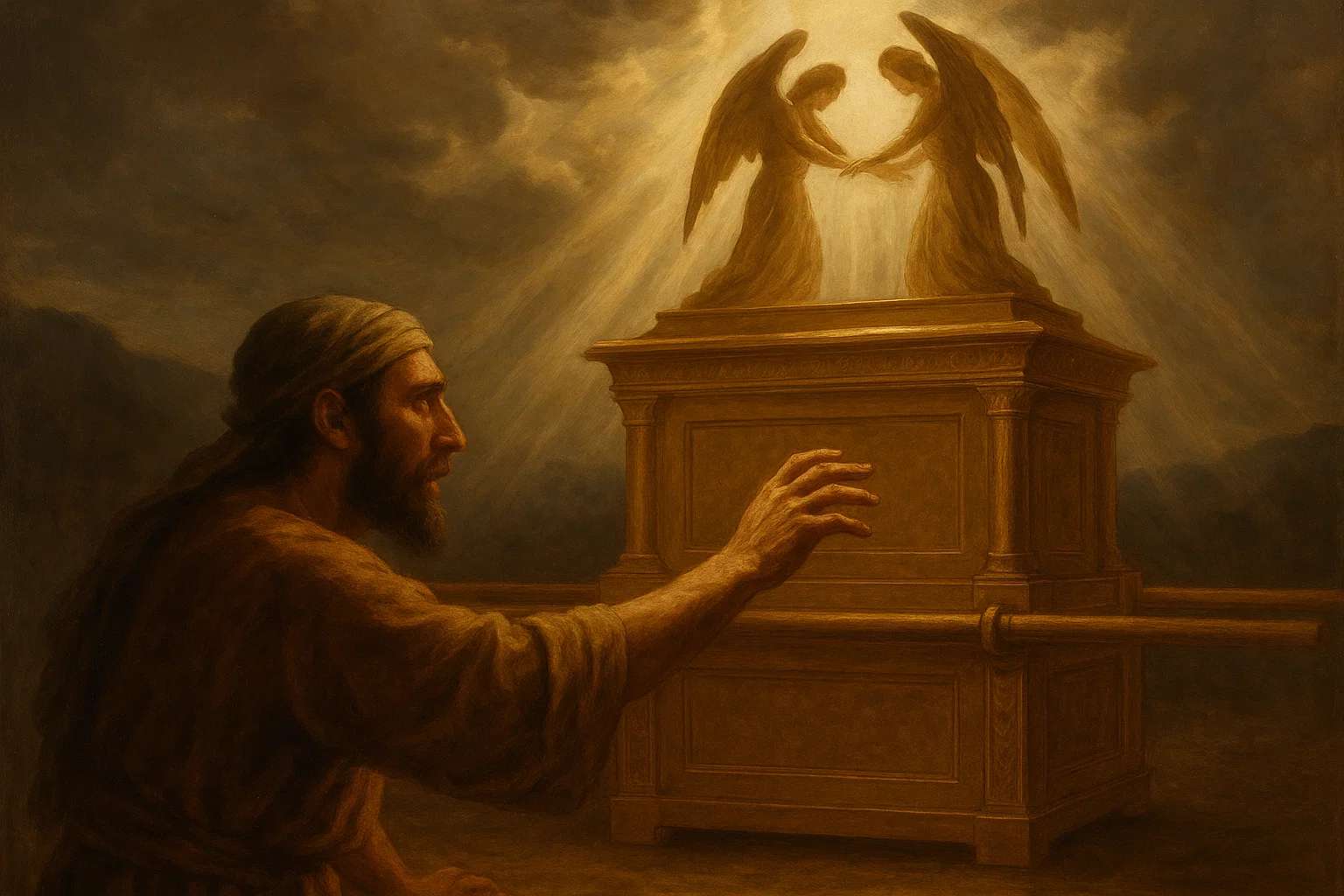
The story of Uzzah in 2 Samuel 6:6–7 is one of the most startling moments in Scripture. As King David brought the Ark of the Covenant toward Jerusalem, the oxen stumbled. Uzzah, walking beside the cart, reached out instinctively to steady it and was struck dead by God.
To many readers, this scene raises deep questions. Why would God kill a man who seemed only to be helping? Was this an overreaction, or does it reveal something profound about God’s holiness?
This account isn’t about cruelty. It’s about reverence a reminder that God’s presence is not casual, and His holiness isn’t something we can redefine by our feelings or convenience.
The Sin of Uzzah What Went Wrong?
Uzzah’s act may seem small, but biblically, it was a direct violation of God’s law. In Numbers 4:15, God commanded that no one but the appointed Levites could handle the Ark:
“They must not touch the holy things or they will die.”
This command wasn’t arbitrary. The Ark represented God’s throne on earth His very presence among His people. Uzzah, though likely sincere, reached out with a hand that was not consecrated for that purpose.
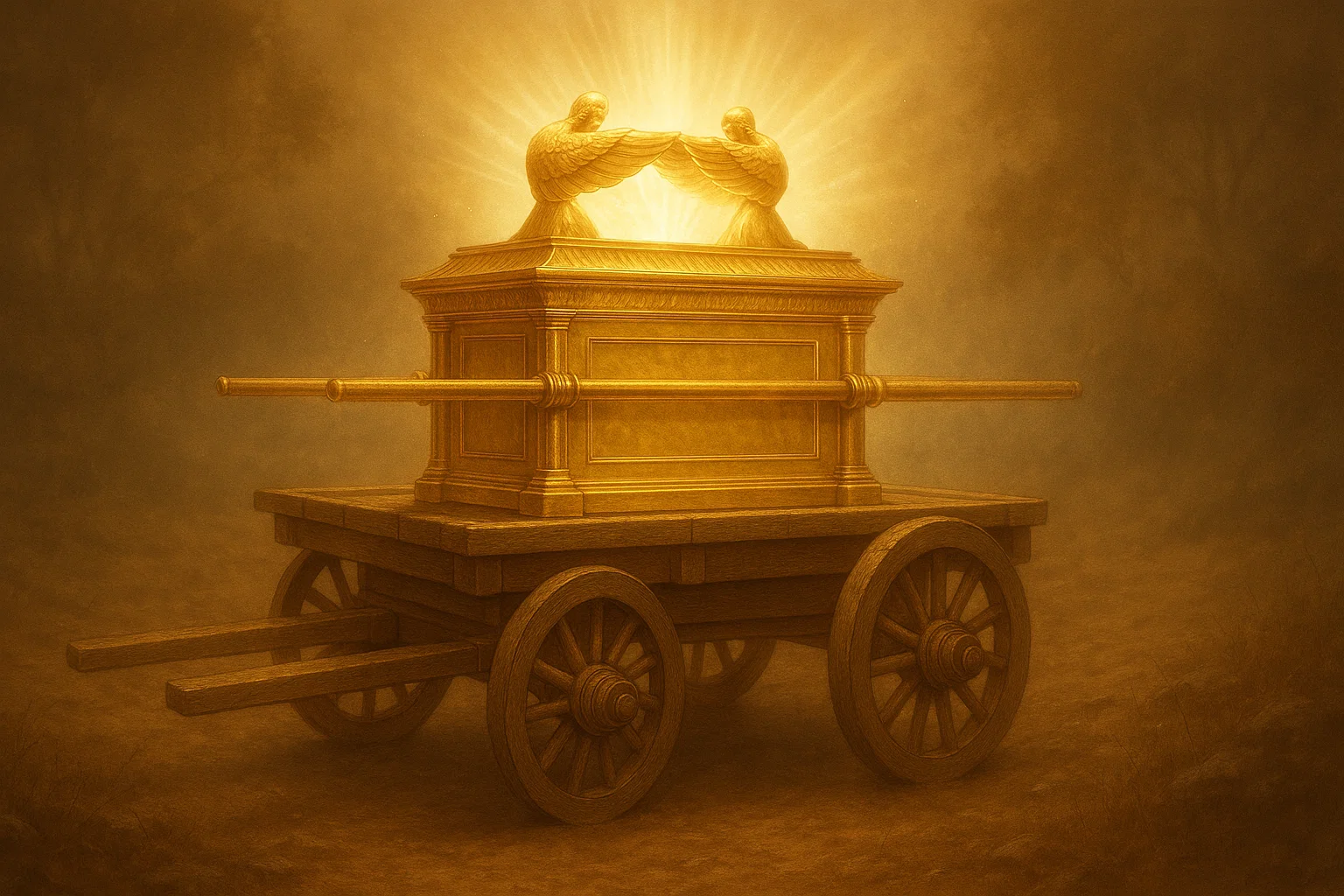
The Ark was never meant to be transported on a cart, either. Exodus 25:14–15 instructed that poles were to be inserted into rings on its sides, carried on the shoulders of Levites. But David and his men followed Philistine custom, not divine command, by placing it on a cart (2 Samuel 6:3).
So when Uzzah touched it, he didn’t just break a rule he trespassed a sacred boundary. His reflex, though humanly understandable, ignored the holiness that set God apart.
Who Was Allowed to Touch the Ark of the Covenant?
God’s instructions about the Ark were precise. The Kohathites, a branch of the Levites, were assigned to carry the most sacred items. But even they were forbidden to touch the Ark itself.
In Numbers 7:9, Moses gave no carts or oxen to the Kohathites because “they were to carry the holy things on their shoulders.”
Only the high priest could approach the Holy of Holies where the Ark rested, and even then only once a year, on the Day of Atonement (Leviticus 16:2).
This wasn’t about status or exclusion it was about teaching Israel reverence. God’s holiness could not be managed by human methods or good intentions. The Ark wasn’t an artifact; it was a physical sign of the covenant presence of the Almighty.
Why Did God Respond So Severely to Uzzah?
From our human perspective, God’s action seems harsh. But to understand it, we must see the holiness of God not as an emotion but as His very essence. Holiness means absolute purity, moral perfection, and separation from sin.
Uzzah’s death wasn’t random punishment; it was a revelation of divine holiness. When the oxen stumbled, the ground didn’t defile the Ark human touch did. Dirt obeys God; it doesn’t sin. But fallen humanity, even in well-meaning action, cannot treat divine things casually.
God’s response was also a protective reminder to Israel. After decades of neglect during Saul’s reign, the Ark’s return symbolized renewed worship. God had to reestablish the sacredness of His law before Israel could live under His blessing again.
David’s immediate reaction was fear. Scripture says, “David was afraid of the Lord that day” (2 Samuel 6:9). That fear wasn’t terror it was reverence rediscovered.
The Lesson in the Story of Uzzah
So what do we learn from this difficult passage?
- God’s Holiness Is Non-Negotiable.
We live in an age where familiarity with God can easily slip into casualness. Uzzah’s story reminds us that the God of love is also the God of glory. - Obedience Matters More Than Intention.
Uzzah’s motive was likely pure, but his method was not. The heart and the action must align with God’s command. - God’s Ways Are Higher Than Ours.
What seems unfair to us is often the result of seeing holiness through human eyes. God’s justice operates from a standard we cannot measure one rooted in perfection, not preference. - Reverence Restores Relationship.
After Uzzah’s death, David paused and later transported the Ark properly, carried by Levites with sacrifice and worship (2 Samuel 6:13). Reverence led to restored blessing.
This is not a story about fear but about alignment learning to honor God as He truly is.
The Ark and God’s Holiness Through Scripture
The event with Uzzah isn’t isolated. The Bible consistently shows that God’s holiness demands respect.
- Leviticus 10:1–3: Nadab and Abihu, sons of Aaron, offered “unauthorized fire” and were consumed.
- Joshua 7: Achan’s hidden sin brought defeat to Israel.
- Acts 5:1–11: Ananias and Sapphira lied to the Holy Spirit and fell dead.
In each case, the common thread is holiness violated. God was teaching His people that He cannot be approached with divided hearts or half-obedience.
But these events also prepared the way for grace. The holiness that once struck down in judgment now, through Christ’s sacrifice, brings restoration. The same God who punished Uzzah’s disobedience now invites us to approach His presence through Jesus, who made us clean.
“We have confidence to enter the Most Holy Place by the blood of Jesus.” Hebrews 10:19
What This Teaches Us About Faith and Reverence
Uzzah’s story may seem ancient, but its lesson is urgent. Faith is not merely belief it’s obedience that flows from awe. Reverence doesn’t push God away; it draws us closer in humility.
The tragedy at Perez-Uzzah was not meant to drive fear into believers but to awaken hearts to God’s unchanging holiness. His love doesn’t diminish His holiness; it magnifies it.
When David finally brought the Ark into Jerusalem with joy and sacrifice, Scripture says he danced before the Lord with all his might. Reverence gave birth to true worship not out of fear of punishment, but out of gratitude for God’s presence handled rightly.
Today, that same principle stands: we must never reduce God’s majesty to something manageable.
Grace doesn’t cancel holiness; it fulfills it.
Modern Reflection: Carrying God’s Presence Rightly
As followers of Christ, we carry something even greater than the Ark the Holy Spirit within us. This sacred indwelling calls for a heart of purity, humility, and obedience.
Uzzah’s story whispers a truth every believer needs to remember:
“The closer we come to God, the more we must walk carefully.”
We approach a holy God not with fear of judgment, but with gratitude for mercy yet always with respect for His glory.

Dr. Elias Johnstone is a theologian and church historian with deep insight into biblical doctrine. He helps readers see how God’s truth connects through Scripture, bringing faith to life with meaning and depth.