
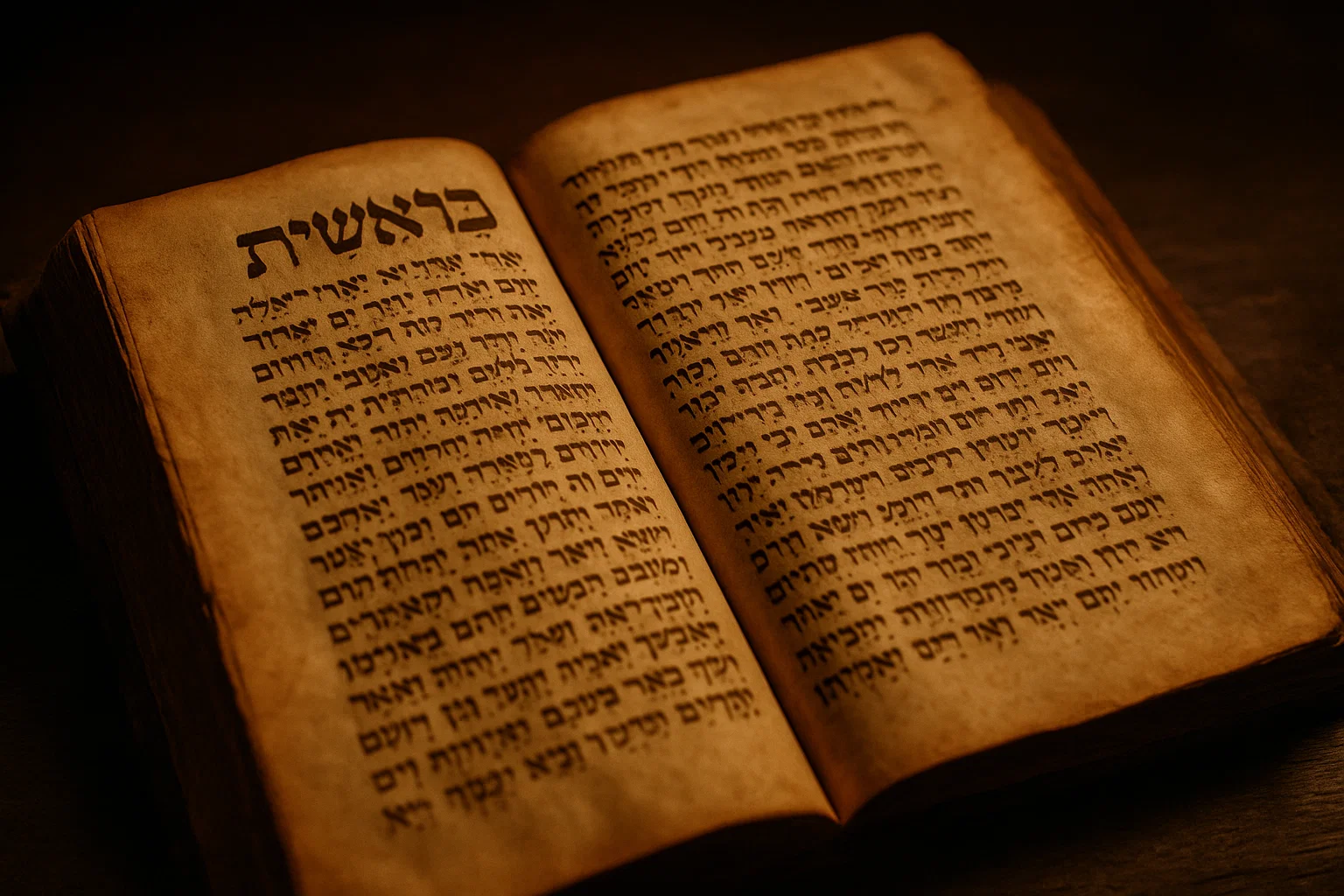
 When you hear the name Lilith, it might stir up images from folklore or modern fiction a mysterious woman said to have lived before Eve, sometimes called “Adam’s first wife.” But what does the Bible itself actually say?
If you open your Bible today from Genesis to Revelation you won’t find the name Lilith in any Christian translation. And yet, her story has echoed through centuries of myth, cultural retelling, and theological confusion.
Let’s explore where the story came from, why it persists, and what Christians can learn from it about truth, discernment, and faith.
The Origins of Lilith in Ancient Myth
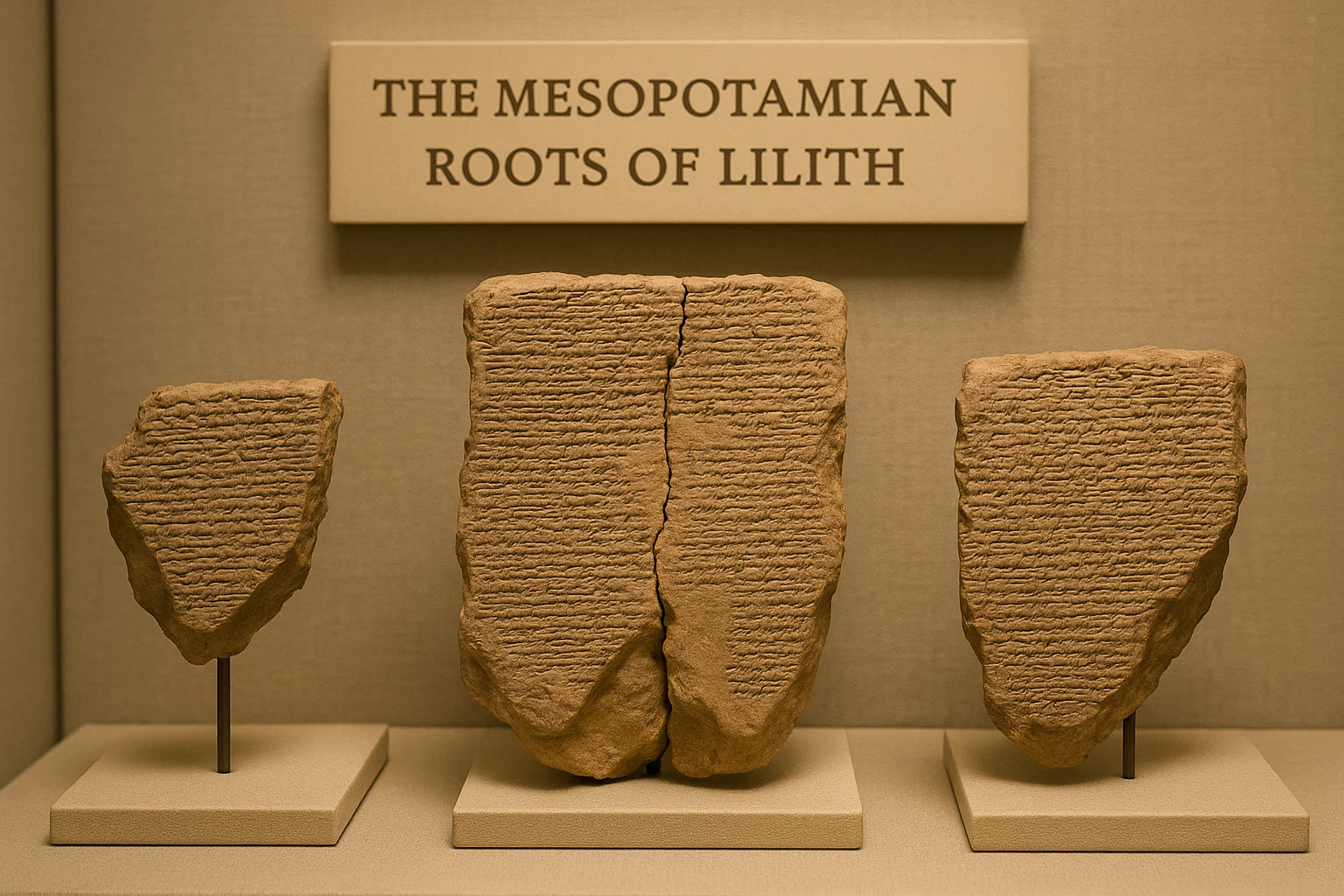
Long before the Bible was translated into English, ancient Mesopotamian myths told of female night spirits beings believed to harm infants or bring illness. One of these figures, known as Lilītu or Lilit, appears in Sumerian and Babylonian writings dating as far back as 2000 BC.
Later Jewish folklore, particularly The Alphabet of Ben Sira (written around the 8th–10th century AD), reshaped this image. It described Lilith as Adam’s first wife, created from the same earth as him. According to the story, Lilith refused to be subservient to Adam and fled Eden, becoming a wandering spirit.
But here’s the key: The Alphabet of Ben Sira was never considered Scripture. It’s a medieval text filled with symbolic tales and satire, not divine revelation.
So while the name “Lilith” appears in early folklore, she does not appear in the inspired Word of God the Hebrew, Greek, or any accepted Christian canon.
“Every word of God is pure: He is a shield to those who put their trust in Him.” Proverbs 30:5
That verse reminds us why Christians weigh ancient writings carefully only Scripture carries divine authority.
Why Lilith Is Not in the Christian Bible
To understand why Lilith isn’t part of the Christian Bible, we need to consider how the Bible was formed.
When the early Church established which writings were inspired, they measured each book by three key standards:
- Apostolic Origin written or approved by God’s prophets or apostles.
- Doctrinal Consistency aligned fully with the rest of Scripture.
- Universal Acceptance affirmed by early believers and Church leaders worldwide.
The story of Lilith never met any of these criteria. It emerged long after the Old Testament was completed and had no foundation in Christian teaching.
Sometimes people point to Isaiah 34:14, where older translations like the King James mention a “screech owl” or “night creature” terms later linked to Lilith by folklore.
But in Hebrew, the word lilith simply referred to a desert creature or night animal, not a woman or demon.
Modern Bible versions (like the NIV and ESV) translate it as “night creatures” to reflect the correct linguistic meaning. In other words, it’s not a hidden reference to Adam’s first wife it’s describing wild animals in desolate lands.
So, while myth and art kept Lilith alive in imagination, Scripture never affirmed her existence.
Who Was the First Woman in the Bible?
The Bible leaves no confusion about humanity’s beginning.
Genesis 2:21–23 tells us that Eve not Lilith was created as the first woman:
“Then the Lord God made a woman from the rib He had taken out of the man, and He brought her to the man.”
Eve’s creation emphasizes unity and partnership she was made from Adam’s side, not from separate earth like the mythic Lilith. This difference is profound.
Eve’s story reflects companionship and purpose under God’s design, not rivalry or rebellion.
The Lilith legend, by contrast, emerged from outside the biblical worldview often as a way for ancient writers to explain disobedience, fear of childbirth, or moral cautionary tales.
It’s important to remember: folklore can reveal what people once feared or valued, but it doesn’t reveal God’s Word.
The Modern Fascination with Lilith and Faith Perspective
In recent decades, Lilith has reappeared in art, novels, feminist writings, and even pop culture. She’s often reimagined as a symbol of independence or defiance. But in doing so, her image drifts further from the ancient myths and even farther from biblical truth.
As Christians, we can acknowledge the literary curiosity of such figures without adopting them into theology. The Bible urges believers to test every idea against truth:
“Beloved, do not believe every spirit, but test the spirits to see whether they are from God.” 1 John 4:1
Modern fascination with Lilith often reveals a deeper hunger people searching for identity, equality, or power outside of divine order. But faith teaches us that real freedom and dignity come through submission to God’s love, not opposition to it.
When Scripture speaks of creation, it celebrates harmony between man and woman, not hierarchy or hostility. God’s Word affirms both equally as His image-bearers (Genesis 1:27).
What This Teaches Us About God’s Word
The story of Lilith may live in myths, but not in the Bible.
Her absence reminds us that not every ancient story carries divine truth only those preserved by the Holy Spirit through Scripture.
As believers, we are called to approach every cultural tale, theory, or reinterpretation with wisdom and humility. The Bible is clear, consistent, and complete; it doesn’t need extra legends to explain its message.
When we seek understanding, let’s turn to God’s Word first the light that reveals truth from confusion.
“Your word is a lamp to my feet and a light to my path.” Psalm 119:105
Lilith’s legend may stir curiosity, but Scripture points us back to something greater: God’s unchanging truth about creation, humanity, and grace.

Dr. Aaron Cole is a Christian apologist and teacher who explores the meeting of faith, reason, and modern life. He helps readers strengthen belief in the Bible’s truth through clear, thoughtful reflection.